 Dog Dooty Tracker
Routines & reminders
Walking your dog when it's hot outside
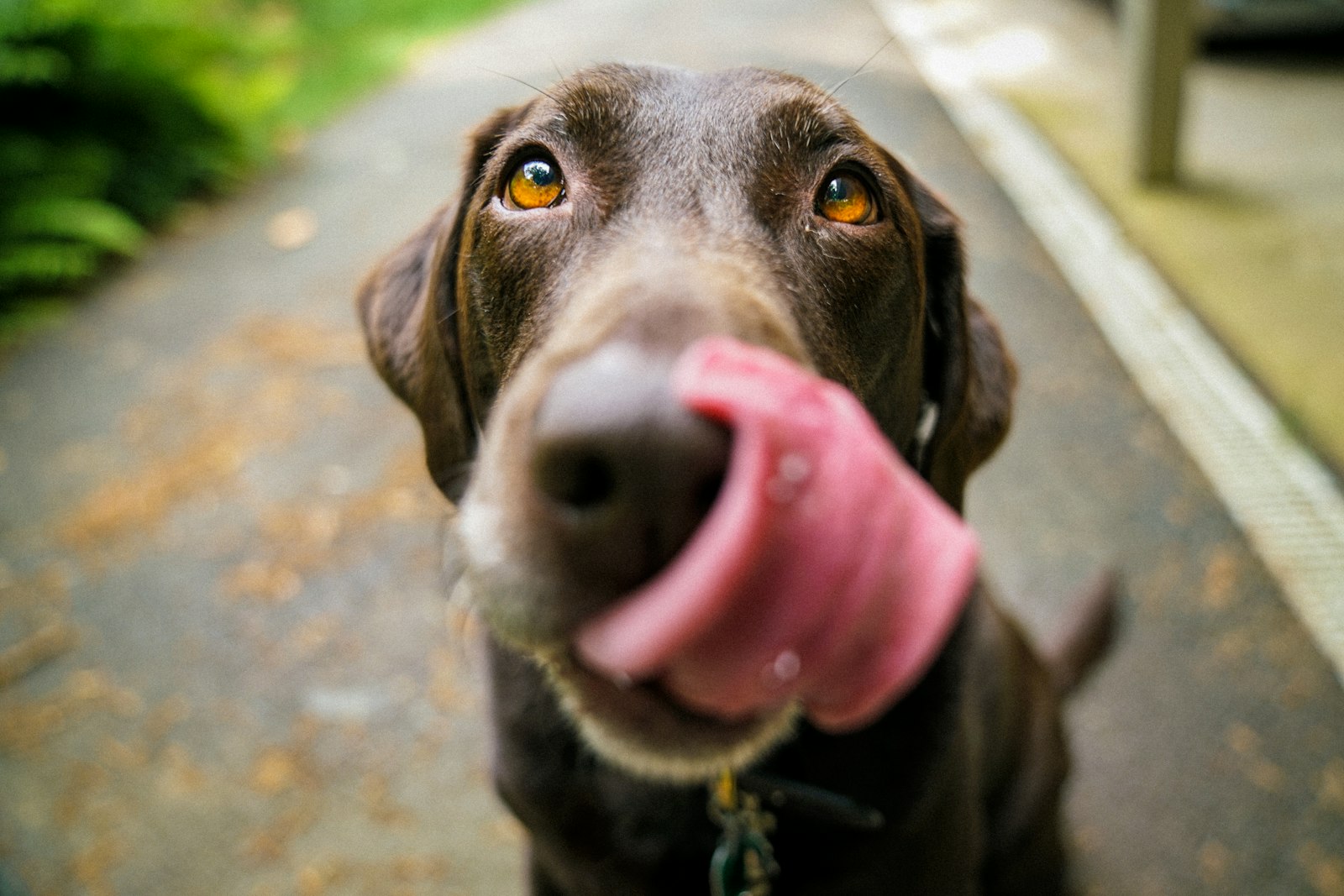
Dogs cool down mainly by panting, with a little help from sweat glands in their paw pads, which means they overheat far faster than people do. Add a hot sidewalk, a heavy coat, or a short muzzle, and a normal walk can turn dangerous surprisingly quickly. None of this means walks have to stop for the summer, it just means timing and a few habits matter more.
The pavement test
Before heading out, press the back of your hand against the pavement and hold it for 7 seconds. If it's too hot for your hand, it's too hot for paws. Asphalt in direct sun can run 40 to 60 degrees hotter than the air temperature, so a pleasant 80 degree afternoon can still mean a scalding sidewalk. When in doubt, stick to grass, dirt trails, or shaded routes, or walk early enough that the ground hasn't heated up yet.
Better times to go out
- Early morning: the coolest window of the day, and usually before pavement has absorbed much heat
- After sunset: air temperature drops, but check the pavement test anyway since concrete holds heat for hours
- Skip the midday window: late morning through late afternoon is when heatstroke risk is highest, especially with humidity
Signs of overheating to watch for
- Heavy, frantic panting that doesn't ease up once you stop moving
- Bright red or purple gums and tongue, or excessive drooling
- Stumbling, weakness, or collapse, which can point to heatstroke and needs a vet immediately
- Slowing down, lying down, or refusing to keep walking, which is often the clearest early signal a dog is struggling
If you see any of these, get your dog to shade or air conditioning right away, offer small amounts of cool (not ice-cold) water, and call your vet, especially if symptoms don't ease within a few minutes.
Who's most at risk
Some dogs run hot even on a mild day. Flat-faced breeds like bulldogs, pugs, and boxers can't pant as efficiently and overheat faster. Senior dogs, puppies, overweight dogs, and dogs with thick double coats also need extra caution, as do dogs with heart or respiratory conditions. For these dogs, shorter and more frequent outings usually beat one long walk.
Keeping up with bathroom breaks when a full walk isn't safe
If it's genuinely too hot for a real walk, your dog still needs to go out. A quick trip to a shaded patch of yard, an early morning or late evening bathroom break, or a short trip to a shaded area near the door can cover the essentials without the risk of a longer walk in the heat. It's better to keep bathroom breaks short and frequent during a heat wave than to push through one long walk in the sun.
Stay on top of breaks even when walks get shorter
Dog Dooty Tracker logs every bathroom break and walk, so on hot days when you're keeping outings brief and frequent, you can still see exactly when your dog last went out and get an overdue alert if too much time passes.
Get Dog Dooty Tracker