 Dog Dooty Tracker
Training plans
Puppy potty training schedule by age
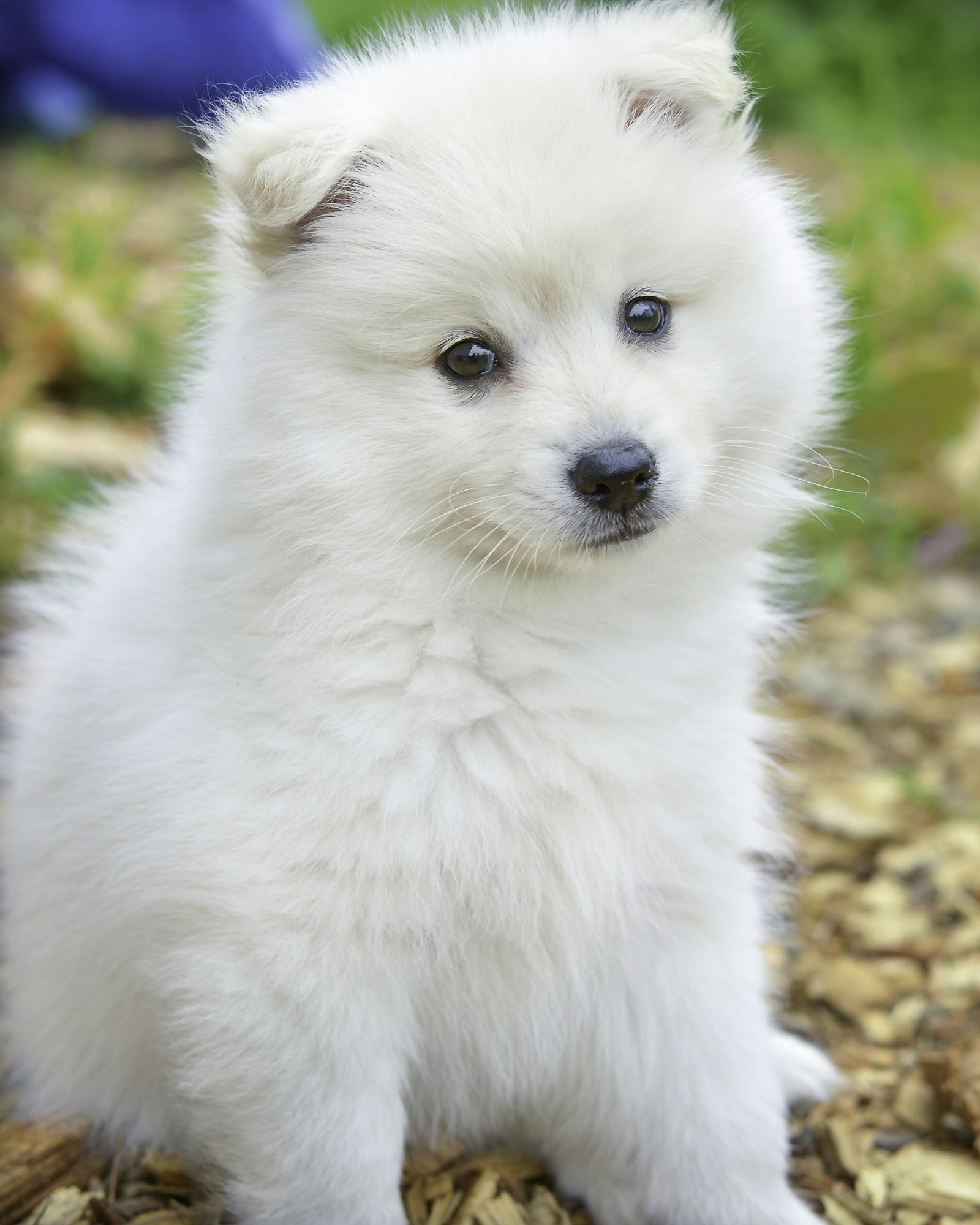
Potty training isn't a single event. It's a gradual build of bladder control, routine, and communication that typically takes 4-6 months. Here's a realistic stage-by-stage plan.
8-10 weeks: establish the routine
Take your puppy out every 1-2 hours, plus immediately after waking, eating, and playing. Praise or reward the moment they finish outside: timing matters more than the reward itself. Expect frequent accidents; this stage is about exposure and repetition, not results.
10-16 weeks: build predictability
Bladder control improves noticeably. Start noticing your puppy's specific signals (see our signs your dog needs to go out guide) and take them out proactively rather than reactively. Accidents should be getting less frequent, though not gone.
4-6 months: extend the intervals
Most puppies can now hold it for 3-4 hours during the day. This is the stage to start trusting them with slightly more freedom indoors, while still sticking to a consistent outdoor schedule. Nighttime control usually improves significantly here too.
6+ months: mostly reliable, minor lapses normal
By 6 months, most puppies are largely house-trained, though occasional lapses during exciting or stressful moments (new visitors, travel, changes at home) are still normal and not a sign of regression.
What actually speeds this up
- Consistency beats intensity: the same door, the same spot, the same routine every time
- Reward immediately after they finish, not after walking back inside
- Never punish an accident you didn't catch in the act: it teaches nothing and can create anxiety
- Track the actual times, don't rely on memory: patterns become obvious within a week
Follow the schedule without the mental math
Dog Dooty Tracker logs every break and tells you when your puppy is overdue based on their own pattern, so you can focus on the training instead of the clock.
Get Dog Dooty Tracker