 Dog Dooty Tracker
Tracking & health
Dog vomiting and diarrhea: when it's normal and when to call the vet
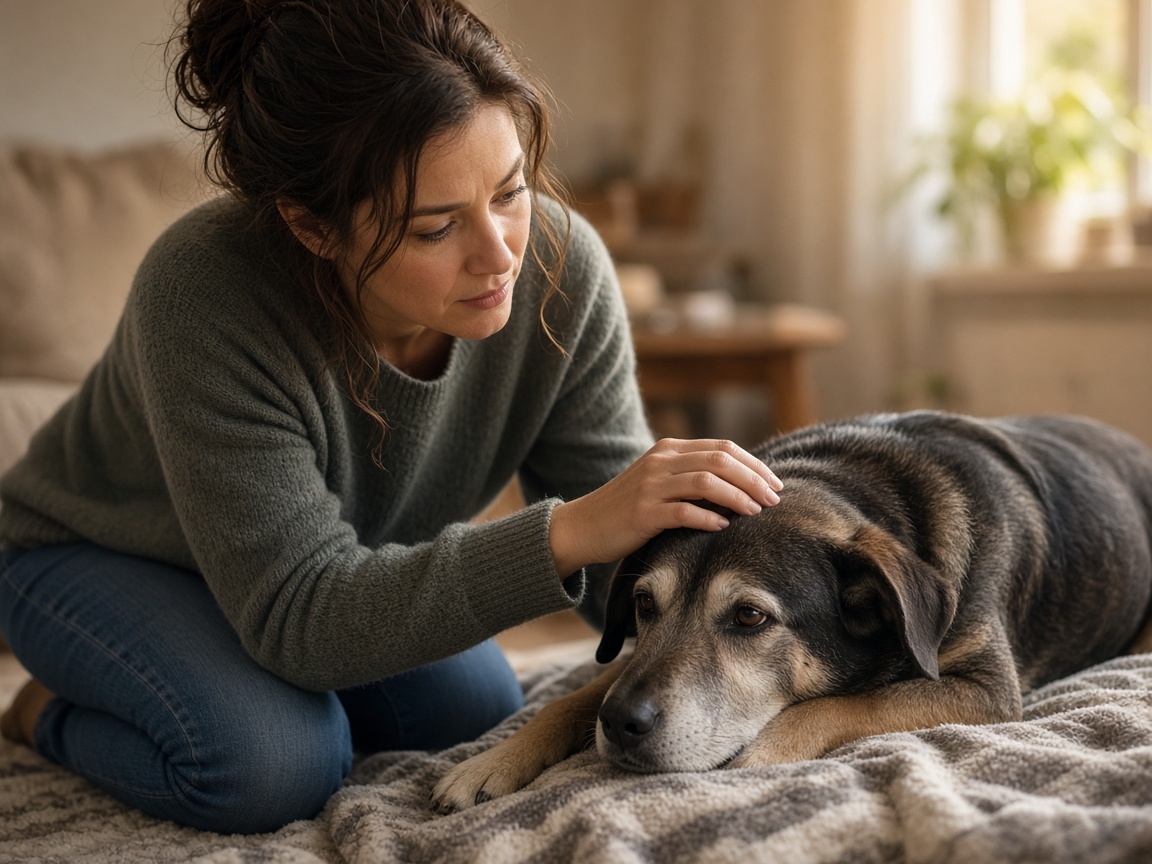
A single episode of vomiting or loose stool is one of the most common reasons dog owners worry, and most of the time it resolves on its own within a day. The tricky part is telling a harmless upset stomach apart from something that needs a vet, especially when both symptoms show up together.
Common, usually harmless causes
- Dietary indiscretion: eating something off a walk, getting into the trash, or a sudden treat overload
- Diet or food change: switching brands too quickly, or a new treat that doesn't agree with them
- Stress or routine disruption: boarding, travel, new people, or a change in environment
- Eating too fast: can trigger a single vomiting episode shortly after a meal
- Mild viral or bacterial upset: similar to a human stomach bug, usually self-limiting within 24-48 hours
When it's worth a vet visit
- Vomiting or diarrhea lasting more than 24-48 hours, or happening repeatedly in a short window
- Blood in the vomit or stool, or a black, tarry stool color
- Lethargy, weakness, or a dog that won't eat or drink at all
- Visible pain, a bloated or tender abdomen, or repeated unproductive retching
- Known or suspected ingestion of something toxic, a foreign object, or a bone
- Puppies, senior dogs, or dogs with existing health conditions: these groups dehydrate faster and should be seen sooner rather than later
If you're ever unsure, a quick call to your vet is cheap reassurance. Describe what happened, how often, and whether anything else has changed, and they can tell you whether to wait it out or come in.
What to do while you wait it out
For a single mild episode in an otherwise normal, alert dog, most vets recommend withholding food for a few hours (not water), then reintroducing a bland diet like plain boiled chicken and rice in small amounts. Keep fresh water available, and watch for the warning signs above over the next 24 hours rather than assuming it's resolved after one good hour.
Why flagging it matters, not just logging it
A timestamped log tells you when something happened. What actually helps in the moment is making sure everyone in the house knows to keep an eye on the dog right now, not just that it happened three hours ago. That's the gap between a bathroom log and a live heads-up.
Flag it once. The whole household sees it.
When you log a pee or poop break in Dog Dooty Tracker, you can flag "Threw up" or "Diarrhea" in the same tap. That puts an amber Watch badge on the dog's card for the next 24 hours and notifies your Family Pack, so anyone who takes them out next knows to keep an eye on them, instead of finding out after the fact.
Get Dog Dooty Tracker